All posts by James Horwood

Osteopath in Clevedon, North Somerset – Osteopathy FAQs

Clevedon Osteopath

Osteopathy FAQs: Your Questions Answered Clevedon Osteopathic Practice

If you’re searching for a trusted osteopath in Clevedon, you’re not alone. Many people in Clevedon and the surrounding North Somerset area look to osteopathy for help with back pain, neck pain, sports injuries and everyday aches and pains.

Below, our experienced Clevedon osteopaths answer the most frequently asked questions to help you decide whether osteopathy is right for you.

What Is Osteopathy?

Osteopathy is a regulated healthcare profession that focuses on the diagnosis, treatment and prevention of musculoskeletal pain. It looks at how the body’s muscles, joints, nerves and connective tissues work together.

At our Clevedon osteopathic clinic, we use hands-on treatment to:

  • Relieve pain
  • Improve movement and flexibility
  • Reduce muscle tension
  • Support long-term recovery

All osteopaths in the UK are regulated by the General Osteopathic Council (GOsC).

What Does an Osteopath Do?

An osteopath assesses how your body moves and functions as a whole, not just where the pain is felt. Treatment may include:

  • Soft tissue techniques
  • Joint mobilisation
  • Stretching and movement work
  • Postural and lifestyle advice

Your Clevedon osteopath will create a personalised treatment plan based on your symptoms, medical history and lifestyle.

What Conditions Can Osteopathy Treat?

Osteopathy is commonly used to treat a wide range of conditions, including:

  • Lower back pain
  • Upper back pain and stiffness
  • Neck pain and shoulder tension
  • Headaches linked to muscle tension
  • Sports injuries and muscle strains
  • Postural pain from desk work
  • Repetitive strain injuries

If your condition requires further investigation, we will refer you to your GP or another healthcare professional.

Do I Need a GP Referral to See an Osteopath in Clevedon?

No. You do not need a GP referral to see an osteopath in Clevedon.

You can book directly with our osteopathic practice, making osteopathy a convenient first choice for managing pain or injury.

Is Osteopathy Safe?

Yes. Osteopathy is a safe, evidence-based and regulated profession in the UK.

All registered osteopaths:

  • Complete extensive professional training
  • Are registered with the General Osteopathic Council
  • Follow strict clinical and safety standards

Your safety and comfort are always our top priority.

What Happens at Your First Osteopathy Appointment?

Your first appointment at our Clevedon osteopathic practice will include:

  1. A detailed case history
  2. Physical examination and movement assessment
  3. Explanation of diagnosis and findings
  4. Hands-on osteopathic treatment
  5. Personalised advice and exercises

Appointments are unhurried, and we encourage questions throughout.

Does Osteopathic Treatment Hurt?

Most osteopathic treatment is gentle and comfortable.

Some techniques may feel firm, especially in tight or painful areas, but treatment shouldn’t be painful. Your osteopath will always adjust techniques to suit your comfort level.

How Many Osteopathy Sessions Will I Need?

The number of treatments needed varies depending on:

  • The nature of your condition
  • How long symptoms have been present
  • Your general health and activity levels

Some patients notice improvement after one or two sessions, while others benefit from a short course of treatment. Your Clevedon osteopath will discuss a clear treatment plan with you.

Can Osteopathy Help with Sports Injuries?

Yes. Osteopathy is very effective for sports and exercise-related injuries, including:

  • Muscle strains
  • Ligament sprains
  • Overuse injuries
  • Joint stiffness

We treat both recreational and competitive athletes from Clevedon, North Somerset and the surrounding areas.

Is Osteopathy Suitable During Pregnancy?

Yes. Osteopathy can be very helpful during pregnancy.

Treatment uses safe, gentle techniques to help manage:

  • Lower back pain
  • Pelvic and hip pain
  • Postural changes

We adapt all treatment to ensure comfort and safety throughout pregnancy.

Can Babies and Children See an Osteopath?

Yes. Osteopathy for babies and children uses very gentle, age-appropriate techniques.

Parents in Clevedon often seek osteopathic care for:

  • Feeding difficulties
  • Tension following birth
  • General musculoskeletal concerns

Your osteopath will always explain treatment clearly and answer any questions.

Is Osteopathy Covered by Health Insurance?

Many UK health insurance providers cover osteopathic treatment.

Our Clevedon osteopathic clinic provides receipts to support insurance claims, but we recommend checking with your insurer before booking.

Is Osteopathy Just “Cracking”?

No. Osteopathy includes a wide range of techniques such as:

  • Soft tissue massage
  • Joint mobilisation
  • Stretching and rehabilitation exercises
  • Postural and ergonomic advice

Joint manipulation may be used when appropriate, but it is never essential and always optional.

Is Osteopathy Right for Me?

If pain or stiffness is affecting your:

  • Sleep
  • Work
  • Exercise
  • Quality of life

Osteopathy may be able to help. Booking an assessment allows us to determine the most appropriate treatment for you.

Book an Osteopath in Clevedon

If you’re looking for a professional, friendly osteopath in Clevedon, our experienced team is here to help.

📍 Convenient Clevedon location on the corner of Old Chrurch Road and Strode Road BS21 6PT
📞 Easy online booking www.clevedonosteopaths.com 01275 877339
💬 Personalised, hands-on care

Contact our Clevedon osteopathic practice today and take the first step towards moving better and feeling better.
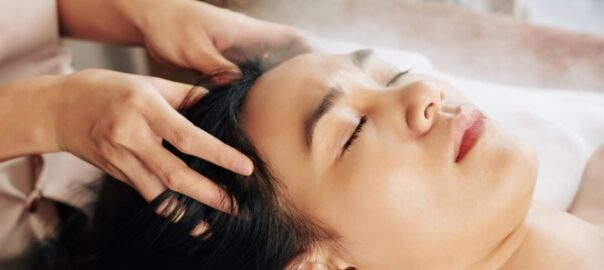
Experience the Benefits of Indian Head Massage in Clevedon with Anna Wright

Experience the Benefits of Indian Head Massage in Clevedon with Anna Wright

If you’re looking for a deeply relaxing and rejuvenating treatment in Clevedon, North Somerset, an Indian Head Massage with Anna Wright based at Clevedon Osteopathic Practice could be just what you need.

What Is Indian Head Massage?

Indian Head Massage is a traditional therapy that focuses on the upper back, shoulders, neck, scalp and face. Using gentle yet effective techniques, it helps to relieve tension, reduce stress, and improve circulation. This ancient practice has been used for centuries to promote relaxation and overall wellbeing.  This can be done either with or without oils depending on your preference.

Benefits of Indian Head Massage

Regular Indian Head Massage treatments can help to:

  • Ease neck and shoulder tension

  • Reduce headaches and eye strain

  • Improve sleep and concentration

  • Encourage healthy hair growth

  • Support emotional balance and relaxation

Whether you’re dealing with stress from work, poor posture, or simply need some “me time,” this soothing treatment can leave you feeling calm, balanced, and refreshed.

About Anna Wright

Anna Wright is a fully qualified massage therapist based at Clevedon Osteopathic Practice. With a compassionate and holistic approach, Anna tailors each session to your individual needs, ensuring a nurturing and restorative experience every time.

Book Your Appointment in Clevedon

Take a break from the stresses of daily life and experience the healing power of Indian Head Massage in Clevedon.
To book your session with Anna Wright at Clevedon Osteopathic Practice, call 01275 877339 or visit www.clevedonosteopaths.com

Knee Pain Causes, Assessment & Osteopathic Treatment. Clevedon Osteopathic Practice

Understanding Knee Pain: Common Causes, What It Means, and How Osteopathic Treatment Can Help

Knee pain is one of the most common reasons people visit an osteopath. Whether you feel a dull ache after walking, sharp pain when kneeling, or stiffness in the morning, knee pain can restrict your movement and impact daily life.

Because the knee is a complex joint made up of bones, cartilage, ligaments, tendons, and muscles, different types of knee pain can come from different structures. Understanding the cause — and getting a professional knee pain assessment — is the first step to effective treatment and recovery.

Common Types of Knee Pain and Their Causes

  1. Pain at the Front of the Knee (Anterior Knee Pain)

Pain around or behind the kneecap is often caused by patellofemoral pain syndrome (runner’s knee) or patellar tendinopathy (jumper’s knee).

Causes:

  • Overuse from running, jumping, or squatting
  • Muscle imbalance or weakness (especially in the thighs and glutes)
  • Misalignment of the kneecap during movement

You may notice: Pain when climbing stairs, sitting for long periods, or kneeling.

💡 Osteopathic treatment can improve muscle balance, joint alignment, and movement patterns to reduce pressure on the kneecap.

  1. Pain on the Inner Side of the Knee (Medial Knee Pain)

Inner knee pain often results from a medial meniscus tear, medial collateral ligament (MCL) strain, or early arthritis.

Causes:

  • Twisting or awkward movements
  • Repetitive strain
  • Age-related joint wear

You may notice: Swelling, stiffness, or pain when bending or twisting.

💡 An osteopath can identify which tissues are involved and restore healthy movement through gentle manual therapy and rehabilitation exercises.

  1. Pain on the Outer Side of the Knee (Lateral Knee Pain)

Outer knee pain commonly affects runners and cyclists and may be due to iliotibial band (ITB) syndrome, lateral meniscus tear, or ligament strain.

Causes:

  • Overuse and poor biomechanics
  • Tightness in the IT band or hip muscles
  • Rapid increases in training intensity

You may notice: Pain that worsens with repetitive movements or running downhill.

💡 Osteopathic treatment focuses on reducing tension, improving joint alignment, and correcting movement to prevent recurrence.

  1. Pain Behind the Knee (Posterior Knee Pain)

Pain at the back of the knee can be caused by a Baker’s cyst, hamstring strain, or posterior cruciate ligament (PCL) injury.

Causes:

  • Repetitive hamstring use
  • Swelling from arthritis
  • Falls or sports injuries

You may notice: Tightness, swelling, or pain when straightening the leg.

💡 Osteopathic care can reduce pressure behind the knee and address the muscular or joint imbalances that contribute to the problem.

  1. General or Widespread Knee Pain

If both knees ache or the pain feels more general, possible causes include osteoarthritis, bursitis, or inflammatory conditions such as rheumatoid arthritis or gout.

Common symptoms:

  • Morning stiffness
  • Swelling and tenderness
  • Pain after activity or at rest

💡 Osteopathy can help manage stiffness and improve mobility by working with surrounding muscles and joints to ease strain.

Why a Professional Knee Assessment Is Essential

With so many potential causes, a professional knee pain assessment is vital to identify the true source of discomfort. During your consultation, your osteopath will:

  • Take a detailed medical history
  • Examine your posture, gait, and joint mobility
  • Perform gentle tests to locate the cause of pain
  • Recommend further imaging (like X-ray or MRI) if needed

Getting the right diagnosis ensures you receive targeted treatment — not just symptom relief — to help you recover faster and avoid long-term problems.

How Osteopathic Treatment Helps Knee Pain

Osteopathy focuses on restoring balance, movement, and natural healing in the body. Depending on your individual needs, your treatment plan may include:

  • Hands-on techniques to release muscle tension and improve joint alignment
  • Exercise and rehabilitation guidance to strengthen key muscles
  • Advice on posture, footwear, and daily activities
  • Supportive techniques to improve circulation and reduce inflammation

Many patients find osteopathic treatment helps them move more freely, reduce pain, and prevent future knee problems.

When to Seek Help for Knee Pain

You should seek osteopathic assessment or medical advice if you experience:

  • Persistent pain lasting more than a few days
  • Swelling or stiffness limiting movement
  • Clicking, locking, or instability
  • Pain that affects walking, stairs, or sleep

Early intervention can help prevent long-term joint damage and restore normal function.

Book a Knee Pain Assessment Today

If you’re struggling with knee pain, our experienced osteopaths can help identify the cause and create a personalised treatment plan to get you moving comfortably again.

Book an appointment online

https://www.clevedonosteopaths.com/

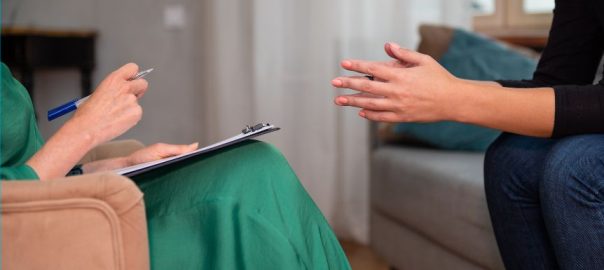
Counselling service in Clevedon North Somerset, Dawn Bosley

The Benefits of Counselling in Clevedon: Support for Your Mental Health

At Clevedon Osteopathic Practice, we believe that looking after your mental health is just as important as caring for your physical health. That’s why we are proud to offer professional counselling with Dawn Bosley, an experienced counsellor available on Thursday and Friday afternoons.

If you’re based in North Somerset Clevedon, Portishead, Yatton, Nailsea or Weston-super-Mare our counselling service provides a supportive space to help you navigate life’s challenges and improve your wellbeing.

Why Choose Counselling in Clevedon?

Counselling offers a safe, confidential environment where you can talk openly about your thoughts and feelings. Whether you’re struggling with stress, anxiety, depression, bereavement, or relationship difficulties, counselling can help you explore new perspectives and develop healthier coping strategies.

With Dawn, you’ll be welcomed into a calm, non-judgemental space where the focus is entirely on you.

The Benefits of Counselling with Dawn Bosley

  1. A Safe Space to Talk

Sometimes it’s hard to share your worries with friends or family. Counselling gives you the chance to express yourself openly, knowing that everything you say is confidential.

  1. Improved Mental Wellbeing

Counselling can help reduce symptoms of stress, anxiety, and low mood, supporting you in building resilience and emotional balance.

  1. Support Through Life Changes

From bereavement and relationship challenges to work stress and personal struggles, counselling provides guidance during life’s most difficult times.

  1. Local, Accessible Care

Conveniently located at Clevedon Osteopathic Practice, our counselling service is easily accessible for people in Clevedon and surrounding areas such as Portishead,Yatton, Nailsea, and Weston-super-Mare.

  1. Professional, Compassionate Support

With Dawn’s experience and caring approach, you’ll feel supported as you take positive steps toward better mental health and self-understanding.

Booking Counselling in Clevedon

Counselling sessions with Dawn Bosley are available on Thursday and Friday afternoons at Clevedon Osteopathic Practice.

If you live in Clevedon, Yatton, Nailsea, Weston-super-Mare, or the wider North Somerset area, and are looking for local counselling, we’re here to help.

Please see our main website https://www.clevedonosteopaths.com/counselling/  for more details and booking info.

Tennis Elbow & Golfers elbow pain info from Clevedon Osteopaths

Clevedon Osteopathic Practice : Understanding Tennis and Golfer’s Elbow: Causes, Physiology, and How Osteopathy and Shockwave Therapy Can Help

Elbow pain can be frustrating and limiting, especially when it interferes with daily activities. The most common conditions affecting the elbow are Tennis Elbow and Golfer’s Elbow—, these conditions can affect anyone, not just athletes. If you’re experiencing persistent elbow discomfort, understanding these conditions and the treatment options available—including osteopathic care and shockwave therapy—can help you recover faster and return to pain-free living.

What Are Tennis and Golfer’s Elbow?

Tennis Elbow (Lateral Epicondylitis)

Tennis elbow is a condition involving inflammation or micro-tears of the tendons that attach to the lateral epicondyle (the outer part of the elbow). It is often caused by repetitive motions involving gripping and wrist extension, such as typing, painting, or using tools.

Golfer’s Elbow (Medial Epicondylitis)

Golfer’s elbow affects the medial epicondyle (the inner part of the elbow). It’s caused by overuse of the wrist flexor muscles and tendons—those responsible for bending the wrist and gripping. It’s commonly seen in golfers, but also affects people who frequently lift, carry, or perform repetitive wrist movements.


The Physiology Behind the Pain

Both conditions involve tendinopathy, a disorder of the tendons typically characterised by:

  • Microtrauma from repetitive strain
  • Degeneration of collagen fibres in the tendon
  • Inflammation (more prominent in early stages)
  • Pain and reduced grip strength

Unlike acute injuries, these are often chronic overuse conditions, meaning they develop gradually over time. The pain is typically localised, worsens with activity, and may radiate down the forearm.


How Osteopathic Treatment Can Help

Osteopaths take a holistic approach, assessing the entire musculoskeletal system rather than just the site of pain. Treatment for tennis or golfer’s elbow may include:

  • Soft tissue manipulation: To release muscle tension in the forearm and surrounding areas.
  • Joint mobilisation: Especially of the elbow, wrist, shoulder, and upper spine to improve mechanics and reduce strain.
  • Postural correction: Poor posture and biomechanics can contribute to elbow strain—osteopaths help identify and correct these issues.
  • Rehabilitation exercises: Tailored stretches and strengthening routines to prevent recurrence.

Osteopathy not only addresses the symptoms but also targets the underlying mechanical causes, supporting long-term recovery and prevention.


Shockwave Therapy: A Modern Solution for Chronic Elbow Pain

Extracorporeal Shockwave Therapy (ESWT) is a non-invasive treatment that uses sound waves to stimulate healing in injured tissues. It is especially effective in chronic tendinopathies where healing has stalled.

How Shockwave Therapy Works

  • Promotes neovascularisation (formation of new blood vessels)
  • Stimulates collagen production
  • Breaks down calcific deposits (if present)
  • Reduces pain by decreasing substance P (a pain-mediating chemical)

Typically, a course of 3 to 6 weekly sessions is recommended, with each session lasting about 15–20 minutes.

Benefits for Tennis and Golfer’s Elbow

  • Fast-tracks the healing process
  • Reduces dependence on painkillers
  • Minimal side effects and downtime
  • Works well in conjunction with osteopathic care and exercise therapy


Why Combine Osteopathy and Shockwave Therapy?

Together, these therapies address both the symptoms and root causes of tennis and golfer’s elbow. While osteopathy improves joint and muscle function, shockwave therapy accelerates tendon healing at a cellular level. The combination offers a comprehensive, evidence-based treatment plan that’s both natural and highly effective.


When to Seek Help

If you’re experiencing:

  • Persistent elbow pain lasting more than a few weeks
  • Pain that worsens with gripping, lifting, or wrist movement
  • Reduced arm strength or mobility

… it’s worth consulting a qualified osteopath or shockwave therapy practitioner.


Conclusion

Tennis and golfer’s elbow are more than just sports injuries—they’re common, treatable conditions that can significantly impact quality of life if left unaddressed. Fortunately, with expert osteopathic treatment and cutting-edge shockwave therapy, long-term relief is well within reach.

If you’re ready to tackle your elbow pain, get in touch with our clinic today. Your recovery could be just a few sessions away.

Plantar Fasciitis and heel pain treatment in Clevedon using shockwave therapy

Plantar Fasciitis and heel pain treatment in Clevedon using shockwave therapy

Plantar fasciitis is a very common cause of heel pain in the UK.  It affects many different people from athletes, people on their feet all day to dog walkers and joggers.  Having an understanding of this condition can help you prevent or manage it effectively.

What Is Plantar Fasciitis?

Plantar fasciitis is the inflammation of the plantar fascia, a thick band of connective tissue that runs along the bottom of your foot. This fascia connects the heel bone (calcaneus) to your toes and helps support the arch of your foot, absorbing shock as you walk.

When this tissue becomes inflamed or overstretched, small tears can develop, leading to pain and inflammation. The condition can range from mild discomfort to severe, stabbing pain that affects mobility and quality of life.  Plantar fasciitis pain can last for years sometimes if left untreated.

Common Causes of Plantar Fasciitis

Plantar fasciitis is generally the result of repetitive stress or excessive load on the foot. Some of the most common contributing factors include:

  • Overuse: Activities that place a lot of pressure on the feet—such as running, dancing, or prolonged standing—can cause strain.
  • Foot mechanics: Flat feet, high arches, or abnormal walking patterns can affect weight distribution, putting extra tension on the fascia.
  • Improper footwear: Shoes that lack proper support, particularly those with thin soles or poor arch support, increase the risk.
  • Age: Plantar fasciitis is most common in people between 40 and 60 years old, likely due to changes in tissue elasticity and foot structure over time.
  • Weight gain: Extra body weight increases the pressure on the plantar fascia during standing and walking.
  • Tight calf muscles or Achilles tendon: Limited ankle flexibility can shift the mechanical load to the plantar fascia.

Recognizing the Symptoms

Free Foot Reflexology Reflex Foot Sigmoid photo and picture

The main symptom of plantar fasciitis is pain under the heel or instep.

  • Sharp heel pain: Especially noticeable with your first steps in the morning or after periods of rest.
  • Pain after exercise: Typically, the discomfort worsens after activity, not during.
  • Stiffness: Many people report a tight or stiff feeling in the arch of the foot or heel.
  • Pain when climbing stairs or standing on tiptoe: These movements put more strain on the fascia.

The pain often develops gradually and might be mistaken for general soreness or a minor strain, especially in the early stages.  I have often seen patients develop plantar fasciitis after long days on their feet, especially when in bad footwear.  A classic is wearing flipflops while on holiday and walking lots on hard pavements.  Some people will develop it after starting new activities such as jogging or dog walking.  It has the nickname of ‘policeman’s heel’ as often people who walk a lot in their work can develop heel pain.

Treatment for plantar fasciitis, heel pain and foot pain.

Osteopaths can treat these types of pain very effectively with hands on manual treatment to help stretch muscles and improve the function of the foot, ankle and leg.  We also advise on the best rehab exercises to help maximise recovery.  At Clevedon Osteopaths we also use Radial Shockwave Therapy (ESWT) which is a proven treatment for plantar fasciitis as recommended by NICE.  Coupled with rehab exercises shockwave therapy has over a 90% success rate.  Take a look at our website for more information or call the practice to speak to someone.  Tel: 01275 877339  www.clevedonosteopaths.com

FAQ No. 2 Do Osteopaths only treat bad backs?

No!  Top to toe!  Osteopaths might be well known for treating back and neck pain, but we also regularly help people with many other problems.  Generally, if it hurts, we can often help!

Headaches can be helped if they’re caused by neck tension or jaw problems.  Shoulder pain and movement problems are common things we treat.  Hips and knees, sports injuries, arthritic changes, sprained ankles, plantar fasciitis, tennis elbow, tendonitis…  The list goes on.  We’re always happy to have a chat on the phone if you want to find out if we can help you.

The Scope of Osteopathic Practice in the UK: What Osteopaths Can Treat

Osteopathy is a holistic, patient-centred approach to healthcare that focuses on diagnosing, treating, and preventing a wide range of health issues by restoring balance and function to the body. In the UK, osteopaths are highly trained, regulated healthcare professionals who use a combination of hands-on techniques, lifestyle advice, and clinical expertise to address musculoskeletal and systemic health concerns. This article explores the scope of osteopathic practice in the UK and highlights the conditions osteopaths can treat.

What is Osteopathy?

Osteopathy is built on the principle that the body’s structure (bones, muscles, ligaments, and connective tissues) and function are intrinsically linked. By ensuring optimal alignment and mobility, osteopaths believe the body can heal itself more effectively. Treatments are tailored to each patient, taking into account their overall health, lifestyle, and goals.

Scope of Practice for Osteopaths

In the UK, osteopaths are trained to:

  1. Assess and Diagnose: Osteopaths undergo rigorous training in anatomy, physiology, pathology, and clinical reasoning, allowing them to assess and diagnose a range of health conditions.
  2. Provide Manual Therapy: Osteopathic treatment involves hands-on techniques, including joint manipulation, soft tissue massage, stretching, and mobilization.
  3. Offer Holistic Care: Osteopaths consider lifestyle, ergonomics, and nutrition as part of their approach to improving health.
  4. Work in Collaboration: They often work alongside GPs, physiotherapists, and other healthcare professionals to ensure comprehensive care.

Osteopaths are regulated by the General Osteopathic Council (GOsC), ensuring they meet high standards of practice, ethics, and ongoing professional development.

What Can Osteopaths Treat?

Osteopathy is commonly associated with musculoskeletal issues, but its scope extends to a wide range of conditions. Here’s an overview:

  1. Musculoskeletal Conditions

Osteopaths are particularly skilled in treating conditions affecting the muscles, joints, and bones, including:

  • Back Pain: Acute or chronic back pain, sciatica, and disc-related issues.
  • Neck Pain: Including tension, stiffness, and whiplash injuries.
  • Joint Pain: Osteoarthritis, shoulder pain, knee pain, and hip discomfort.
  • Postural Problems: Often due to prolonged sitting, poor ergonomics, or sports-related issues.
  • Tendon and Ligament Issues: Tendinitis, sprains, and strains.
  1. Sports Injuries

Osteopaths can help manage and prevent sports injuries through tailored treatment and advice. They assist with:

  • Enhancing recovery from injuries like muscle tears or ligament damage.
  • Improving flexibility, strength, and performance.
  • Advising on injury prevention and safe exercise practices.
  1. Headaches and Migraines

Certain types of headaches, particularly those stemming from tension or neck-related issues, can be alleviated through osteopathic treatment. Techniques may include soft tissue therapy and posture correction.

  1. Pregnancy-Related Discomfort

Osteopaths can provide safe and effective care for pregnant individuals experiencing:

  • Lower back pain.
  • Pelvic girdle pain.
  • Postural changes and related discomfort.
  • Advice on posture and exercises during pregnancy.
  1. Post-Surgical Rehabilitation

Osteopathy can aid in recovery after surgery by:

  • Reducing stiffness and scar tissue formation.
  • Improving mobility and strength.
  • Supporting overall healing processes.
  1. Stress and Well-Being

Osteopathic treatments, particularly those involving soft tissue massage and cranial techniques, can help reduce stress and promote relaxation.

Who Can See an Osteopath?

Osteopathy is suitable for individuals of all ages, including:

  • Babies and Children: (using gentle cranial osteopathy).
  • Adults:
  • Seniors:
  • Pregnant Individuals:

When Should You See an Osteopath?

You might consider visiting an osteopath if you:

  • Experience persistent or recurring musculoskeletal pain.
  • Have postural concerns related to work or daily activities.
  • Are recovering from an injury or surgery.
  • Want to improve physical performance or prevent future injuries.

Limitations of Osteopathy

While osteopathy is highly versatile, it is not a substitute for medical care in cases of serious or systemic illnesses like infections, fractures, or cancer. Osteopaths are trained to recognize when a condition falls outside their scope and will refer patients to appropriate healthcare providers if necessary.

Conclusion

The scope of osteopathic practice in the UK is broad, with osteopaths playing a vital role in managing musculoskeletal health, enhancing recovery, and promoting overall well-being. Whether you’re dealing with back pain, sports injuries, or pregnancy-related discomfort, osteopathy offers a patient-centred, holistic approach to healthcare. By addressing the root cause of issues and supporting the body’s natural healing processes, osteopaths can help you live a healthier, more balanced life.

If you’re considering osteopathic treatment, always ensure your practitioner is registered with the General Osteopathic Council to guarantee professional care and expertise.

FAQ No. 1  “What’s the difference between an Osteopath, Chiropractor and a Physio?

FAQ No. 1  “What’s the difference between an Osteopath, Chiropractor and a Physio?

In the UK, osteopathy, chiropractic, and physiotherapy are distinct healthcare professions that focus on diagnosing and treating musculoskeletal conditions. While they share some similarities, they differ in their underlying principles, training, techniques, and regulatory frameworks.

From a patient’s point of view there are a few differences you might find.  All use hands on treatment and will all see a similar type of problem.  Typically, Osteopathic appointments are 30 mins long, similar with a physio and shorter 5-10 minutes with a chiropractor.

Each profession tends to use different ways of working (techniques) to help their patients.  Osteopaths use combinations of soft tissue massage, joints manipulation and stretching and some gentle light touch techniques (e.g. Cranial osteopathy).  They will also advise patients on stretches and exercises to help their progression.

Chiropractors tend to focus on spinal ‘adjustments’ while Physiotherapists do some hands on treatment, they also work through rehab exercises.

Regulation: Osteopaths complete a 4 or 5 year degree course and are regulated by the General Osteopathic Council (GOsC). Only registered osteopaths can use the title “osteopath.”

Chiropractors are regulated by the General Chiropractic Council (GCC) and complete a 4-5 year degree course. The title “chiropractor” is also legally protected.

Physiotherapists are regulated by the Health and Care Professions Council (HCPC). They may also be members of the Chartered Society of Physiotherapy (CSP).  They will have completed a 3 year degree course.

There can be a lot of similarity between the disciplines and ultimately you are best to work with someone who you feel understands your issues and works in a way that suits you, whether you are 20 or 90 years old.  In practice, there is overlap, and some professionals may incorporate elements from other disciplines. The choice between them often depends on personal preference, specific symptoms, and the practitioner’s expertise

For more information on Osteopathy visit The General Osteopathic Council www.osteopathy.org.uk or The Institute of Osteopathy www.iosteopathy.org

Osteopathic Treatment for Low Back Pain: A Natural Approach to Relief

Osteopathic Treatment for Low Back Pain: A Natural Approach to Relief

Low back pain is one of the most common health issues in the UK, affecting millions of people at some point in their lives. Whether caused by poor posture, injuries, or prolonged sitting, this condition can significantly impact daily life. Fortunately, osteopathic treatment offers a natural and effective way to manage and alleviate low back pain.

What Is Osteopathy?

Osteopathy is a holistic approach to healthcare that focuses on the musculoskeletal system—the muscles, bones, and joints. It aims to restore balance and function by treating the root causes of pain, rather than just the symptoms. Osteopaths use a variety of hands-on techniques, including gentle manipulation, stretching, and massage, to improve mobility, reduce muscle tension, and enhance circulation.

How Does Osteopathy Help Low Back Pain?

Osteopathic treatment for low back pain typically involves:

  • Soft tissue manipulation: to relieve muscle tightness and tension in the lower back.
  • Joint mobilization: to improve the range of motion and reduce stiffness in the spine.
  • Postural advice: to correct improper posture that may be contributing to pain.
  • Exercise prescription: to strengthen core muscles and prevent future episodes of back pain.

What to Expect from Treatment

During an osteopathic consultation, your practitioner will take a detailed medical history and assess your posture, movement, and any areas of discomfort. Treatment is tailored to your specific condition, whether it’s a muscle strain, disc issue, or chronic pain. Osteopathy is suitable for all ages and can be used alongside other medical treatments or therapies.

Why Choose Osteopathy for Low Back Pain?

  • Drug-free approach: Osteopathy avoids the use of painkillers, focusing on long-term relief.
  • Whole-body focus: Osteopaths consider the entire body’s structure and function, addressing contributing factors such as muscle imbalances and posture.
  • Personalized care: Each treatment plan is tailored to the individual, ensuring specific needs are met.

Finding an Osteopath in the UK

Osteopathy is a regulated profession in the UK, and qualified osteopaths are registered with the General Osteopathic Council (GOsC). This ensures that you receive safe and effective care. If you’re struggling with low back pain and looking for an osteopath in Clevedon please contact the practice for more information.

By treating the underlying causes of pain and supporting the body’s natural healing process, osteopathy provides a gentle and holistic solution for low back pain.